 A Voice Across Generations
Learning to have a say
Imagine a child arriving home with a question that deserves more than “because I said so”.
“Why do we have a student meeting if the adults have already decided?”
For this story, let us call her Mia. Her younger brother, Sam, is listening from the other side of the table. Their mother, Leah, asks what happened. The class was invited to suggest improvements to its outdoor area. Several children asked for shade. Others wanted somewhere quiet. There some who wanted more sand in the sand pit. When the announcement came, it was about new sports equipment. Nobody explained what had happened to the suggestions.
Perhaps the equipment was needed. Perhaps it came from money that could be spent only on sport. There may have been a sensible explanation. The children had not been given one.
That is a small version of a much larger grievance. We are asked to contribute, and then our contribution disappears into somebody else's process. Eventually an answer comes back, if it comes back at all. We are left guessing whether we influenced anything.
I would like children to learn another pattern so that they truly understand that they have been listened to and their input has prompted action.
When survivors gain some space and order in their lives, some begin looking beyond their own experience. They may speak publicly, form a group or establish an organisation because they want to prevent others from experiencing similar harm. That movement from personal experience towards collective protection is central to what I am exploring here.
An individual’s experience can reveal a problem shared by many people. We should be able to examine the conditions that allowed the harm, understand who else is affected and consider what would prevent it. The person who first raised the concern remains included, without their diagnosis or personal history becoming the whole subject.
Individual care still matters. Alongside it, we need a community response that addresses the conditions people live under. Otherwise, the discussion can become an argument about whether one particular person deserves sympathy, credibility or assistance, while the underlying problem continues.
I want a process that helps people make that connection: from a personal concern to a shared question, from that question to an informed proposal, and then to changes whose effects can be examined. Nobody should have to disclose their history publicly or become a campaigner to benefit from those changes.
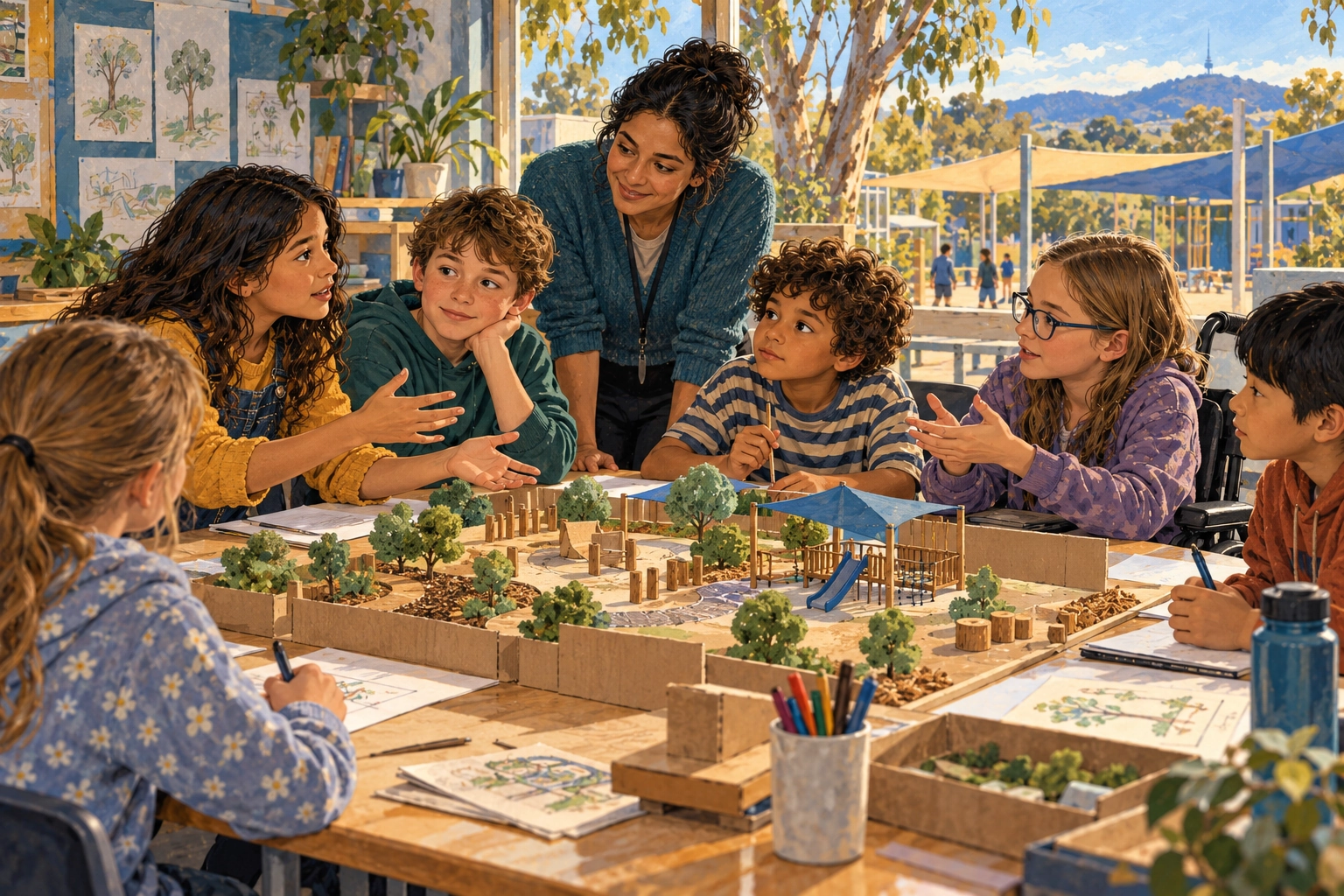
Their teacher starts again with a question the school can genuinely act on: how should one small area be used during lunch? She explains the available budget, the safety requirements and who makes the final decision. The children can speak, write, draw or ask someone to help them explain. Nobody has to stand in front of the class to earn a place in the discussion.
This time the suggestions stay visible. A quiet corner is not dismissed because fewer children ask for it. The class considers who needs it and why. The teacher explains that a popular choice still has to leave room for children whose needs differ from the majority.
They choose a modest trial: some movable seating, a shaded quiet area and a date to review how it works. Their record includes what was suggested, what was chosen, what could not be done and the reasons.
At home, Mia can explain the result. Sam asks whether they can change it if it does not work.
“Yes,” she says. “We have to check.”
That is the lesson I want to carry beyond the school gate. Having a say should include being able to follow what happens afterwards. A Living Bill of Rights should help people learn that connection early, while leaving them free to question the system itself.